The Best Ways To Clean lab grown diamond engagement rings
Discover Exquisite Lab Grown Diamond Engagement Rings for an Ageless Icon of Your Love
Lab-grown diamond engagement rings have actually become a compelling selection for pairs seeking both charm and moral stability. These gems mirror the sparkle of all-natural diamonds, yet they feature a smaller sized ecological impact. With different styles and personalization choices offered, each ring can inform an unique story. As pairs explore these alternatives, inquiries about their importance and value occur, prompting a much deeper check into what makes these rings a meaningful symbol of love.
The Rise of Lab-Grown Diamonds: A Modern Romance
As customers significantly look for sustainable alternatives, the popularity of lab-grown diamonds has actually surged, changing the engagement ring market. These morally created stones appeal to eco conscious couples that want a symbol of love without the ethical problems connected with traditional mining. Lab-grown diamonds offer the exact same allure, radiance, and top quality as all-natural diamonds but at an extra accessible price factor. This change in customer choice is reshaping the story around engagement rings, promoting a modern-day romance that values sustainability and authenticity. Sellers are replying to this pattern by expanding their offerings, making lab-grown choices a lot more prevalent in fashion jewelry shops. Consequently, couples are equipped to pick stunning, significant rings that mirror their values and dedication to a far better future.
Recognizing the Process: How Lab-Grown Diamonds Are Made
While many might assume that diamonds can only be formed deep within the Earth's mantle, lab-grown diamonds are produced through innovative technological procedures that reproduce these all-natural problems. The 2 primary methods for creating these diamonds are High Pressure Heat (HPHT) and Chemical Vapor Deposition (CVD) In the HPHT technique, carbon goes through extreme pressure and temperature, mimicking the natural formation procedure. Conversely, the CVD technique includes developing a plasma environment where carbon atoms progressively deposit onto a substratum, developing diamond crystals with time. Both methods lead to diamonds that are chemically and physically identical to their mined counterparts. As a result, lab-grown diamonds provide a lasting choice, giving the very same brilliance and appeal without the ecological influence related to typical diamond mining.
The Moral Selection: Why Pick Lab-Grown Diamonds?
Lab-grown diamonds provide an engaging moral choice for customers worried concerning the environmental effect of conventional mining. These diamonds guarantee a conflict-free standing, guaranteeing that no human civil liberties abuses are linked to their manufacturing. In addition, they use a cost-effective option without compromising high quality or charm.
Environmental Effect Considerations
Conflict-Free Assurance
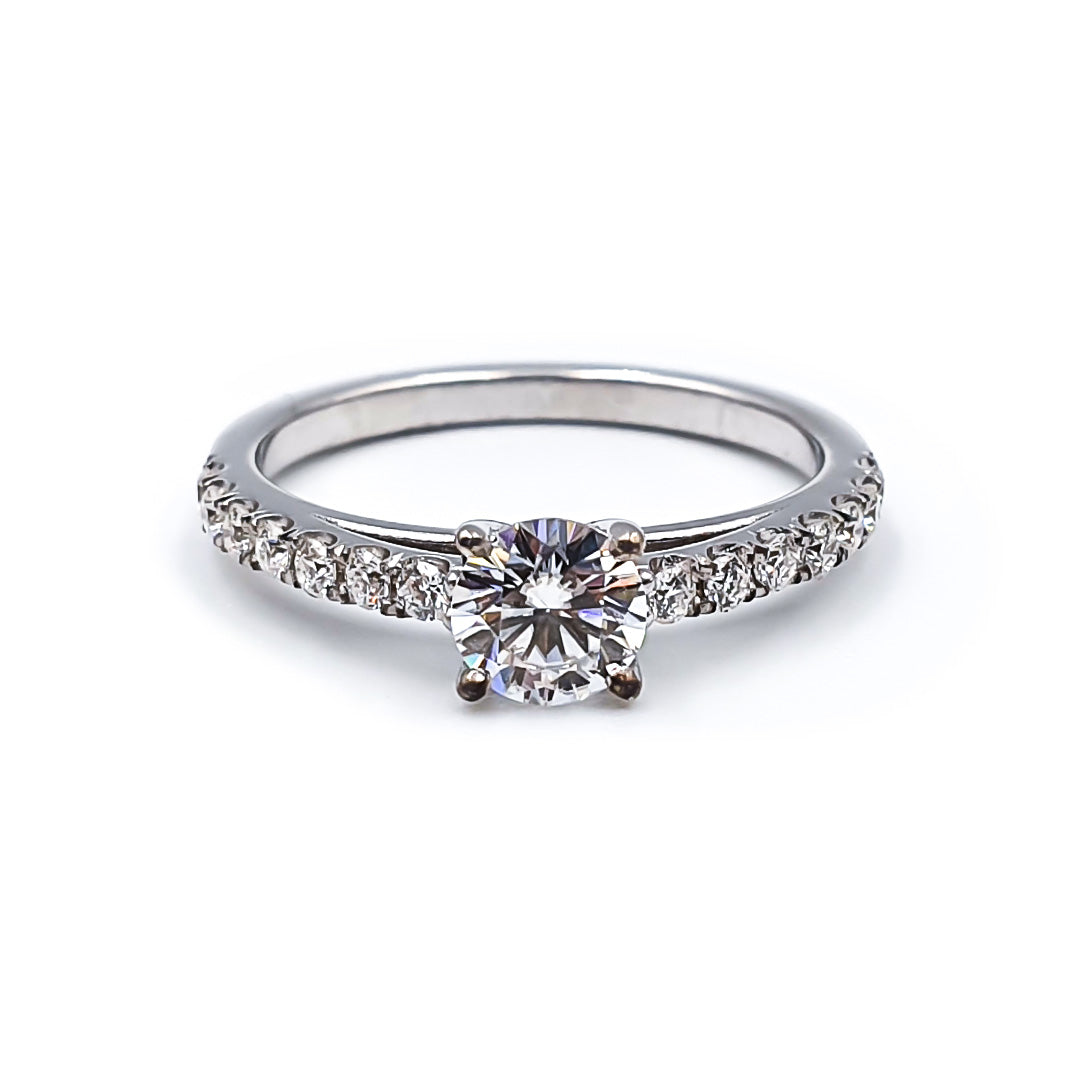
As consumers end up being more knowledgeable about moral sourcing issues, the allure of lab-grown diamonds depends on their intrinsic conflict-free guarantee. Unlike extracted diamonds, which might be connected with funding dispute and human rights misuses in different areas, lab-grown diamonds are created in regulated environments, eliminating any type of concerns related to unethical methods. This guarantee reverberates especially with socially aware buyers, who focus on moral factors to consider in their purchasing decisions. In addition, lab-grown diamonds undertake extensive certification processes, making certain transparency and traceability. By selecting these diamonds, customers support accountable methods while enjoying the same physical and aesthetic high qualities as all-natural diamonds. This honest selection reflects an expanding pattern towards valuing honesty and duty in the luxury market.
Cost-Effective Different
A compelling aspect of lab-grown diamonds is their cost-effectiveness, making them an attractive option for budget-conscious consumers. Commonly valued 20-40% less than natural diamonds, these lab-created rocks offer a significant cost savings without compromising top quality or elegance. This monetary benefit allows couples to buy larger or higher-quality diamonds than they may afford otherwise. In addition, the honest production process of lab-grown diamonds attract those who focus on sustainability and social duty. By picking these stones, customers can delight in tranquility of mind, knowing they are making a diligent selection. As the demand for moral options expands, lab-grown diamonds remain to arise as a viable and appealing option for engagement rings, mixing affordability with modern-day values.
Aesthetic Charm: Contrasting Lab-Grown and Mined Diamonds
The visual charm of lab-grown and mined diamonds is typically assessed through visual clarity, luster, and total workmanship. Variables such as color and reduce top quality play substantial functions in determining their elegance, while honest and ecological considerations likewise influence customer choices. lab grown diamond engagement rings. A contrast of these aspects discloses the nuanced differences in between the two options, forming the choices of potential buyers
Aesthetic Clarity and Sparkle
Visual quality and sparkle serve as crucial consider evaluating the visual allure of both lab-grown and mined diamonds. Lab-grown diamonds frequently exhibit superior clearness because of the regulated conditions in which they are created, removing numerous of the inclusions and flaws typically located in their all-natural equivalents. This boosted clearness adds to a spectacular radiance that captivates the eye. On the other hand, mined diamonds can possess distinct inclusions that some may locate enticing, as they show the stone's all-natural origin and authenticity. Nonetheless, these additions can interfere with general luster. Eventually, both kinds of diamonds can accomplish remarkable aesthetic clarity, yet lab-grown diamonds regularly beam brighter, supplying a contemporary choice without giving up the classic style that specifies an engagement ring.
Shade and Cut High Quality
Color and cut quality significantly affect the overall visual appeal of both lab-grown and mined diamonds. The Gemological Institute of America (GIA) identifies diamond color on a range from D (anemic) to Z (light yellow) Lab-grown diamonds can attain the very same color grades as their mined counterparts, enabling customers to select stones that match their choices. Furthermore, the cut of a ruby substantially impacts its luster and shimmer. Superb cut diamonds mirror light preferably, enhancing visual appeal. Both kinds of diamonds can display exceptional cut quality, however lab-grown options may offer much more exact cuts due to innovative production strategies. Eventually, the choice between the two depends upon specific preference and preferred attributes in an engagement ring.
Environmental and ethical Factors to consider
While both lab-grown and mined diamonds can be visually spectacular, environmental and honest considerations play a substantial role in the decision-making process for several customers. Lab-grown diamonds are produced in controlled environments, making sure that no underhanded mining techniques are involved. This transparency charms to those worried concerning human rights offenses usually related to extracted diamonds. In addition, lab-grown diamonds have a smaller ecological impact, as their manufacturing usually calls for less water and energy than typical mining, which can devastate ecosystems. In contrast, mined diamonds typically come from regions tormented by conflict and ecological deterioration. As recognition of these concerns grows, several pairs are choosing lab-grown choices, watching them as a liable option that aligns with their values while still commemorating their love.
Modification Options: Creating Your Perfect Engagement Ring
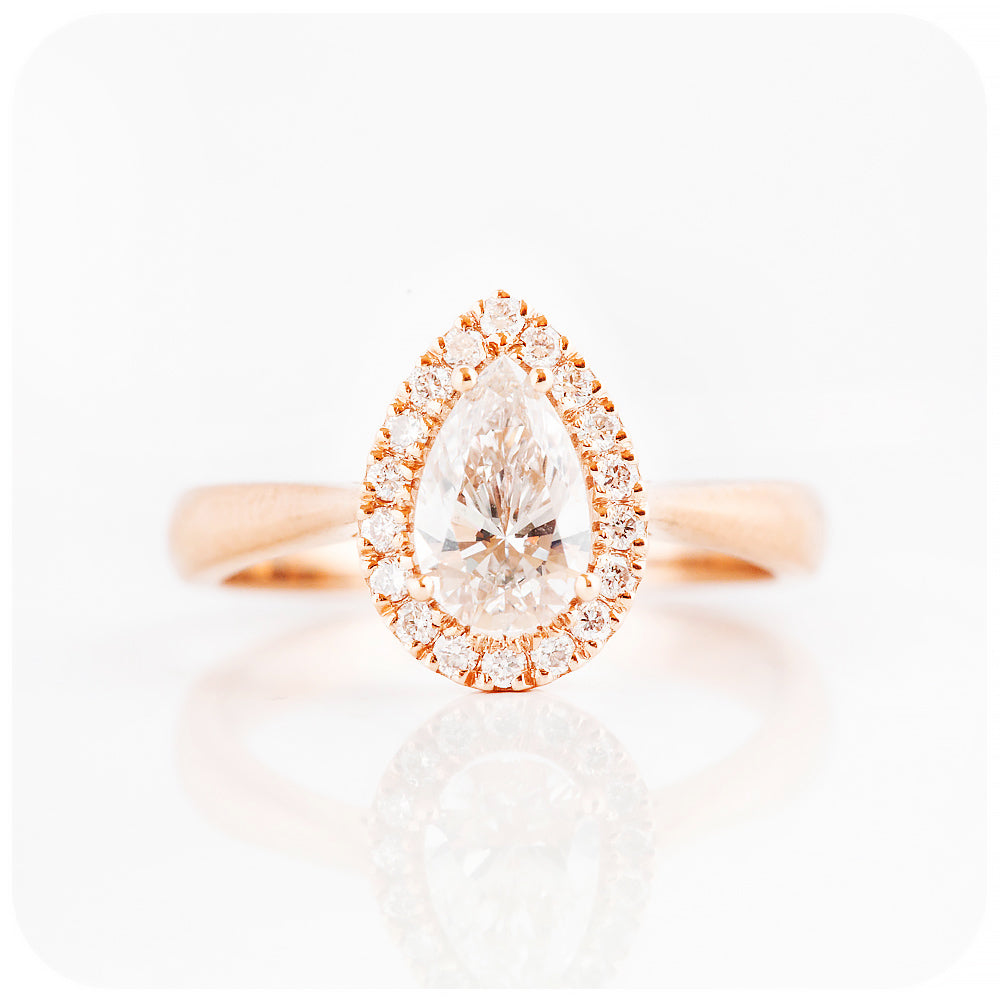
Just how can one create a truly special engagement ring that shows individual design and belief? Customization options for lab-grown diamond engagement rings enable pairs to customize their precious jewelry to their specific preferences. From selecting the diamond shape-- such as round, princess, or oblong-- to picking the band material, options abound. Pairs can integrate numerous steels, consisting of white gold, yellow gold, or platinum, to attain their desired visual. Establishing designs, like jewelry or halo, better boost customization. In addition, etching inside the band can include a sentimental touch, including initials or meaningful days. With these customizable you can look here aspects, each engagement ring comes to be a distinct representation of love, merging style with personal relevance. This procedure guarantees the ring is as distinct as the partnership it symbolizes.
Taking care of Your Lab-Grown Diamond: Upkeep Tips
Keeping the luster of a lab-grown diamond needs careful interest and normal treatment. To maintain the diamond shimmering, it is crucial to cleanse it on a regular basis using a soft brush and mild soapy water. Avoid ultrasonic cleansers and extreme chemicals, which can damage the rock. In addition, storing the ring individually in a devoted box or a soft towel assists avoid scratches. lab grown diamond engagement rings. When engaging in tasks that might subject the ring check my blog to dust or possible damage, eliminating the ring is recommended. Routine assessments at a jeweler can ensure that the setup stays safe and secure. By following these straightforward upkeep tips, one can preserve the charm and stability of their lab-grown diamond engagement ring for years ahead
Actual Pairs, Real Stories: Lab-Grown Diamond Engagement Ring Experiences
What inspires couples to choose lab-grown diamond engagement rings? Lots of couples are drawn to the environmental and ethical benefits of lab-grown diamonds, which are created without the adverse impacts connected with traditional diamond mining. Actual stories expose that pairs value the clarity and sparkle of these stones, usually going with larger or even more complex layouts than they could pay for with natural diamonds. As an example, Jenna and Mark shared their exhilaration regarding finding a sensational lab-grown ring that aligned with their worths, permitting them to spend more in their wedding celebration experience. Sarah and Tom expressed delight in choosing a distinct layout that reflected their individualities, highlighting the adaptability and cost of lab-grown diamonds. These experiences stress that love and intention shape every selection.
Often Asked Questions
Are Lab-Grown Diamonds A Lot More Cost Effective Than Mined Diamonds?
Lab-grown diamonds are generally a lot more inexpensive than extracted diamonds, frequently costing 20-40% much less. This cost distinction emerges from reduced production prices and the lack of mining expenses, making them an appealing option for budget-conscious customers.
Exactly How Can I Inform if a Ruby Is Lab-Grown?
To determine if a ruby is lab-grown, one can look for certification from reliable gemological research laboratories, seek particular engravings on the rock, or use sophisticated screening techniques that separate all-natural from synthetic diamonds.
Do Lab-Grown Diamonds Hold Their Value In Time?
Lab-grown diamonds typically do not hold their value as well as all-natural diamonds. Their resale market often tends to be less robust, bring about lower long-term admiration and possibly considerable depreciation compared to go extracted counterparts.
What Are the Warranty Options for Lab-Grown Diamond Bands?
Warranty options for lab-grown diamond rings generally include protection for manufacturing issues and might provide extended solution strategies for maintenance. Each store offers different terms, so it is necessary to review specific policies prior to purchase.
Can I Re-sell a Lab-Grown Diamond Engagement Ring?
Yes, a lab-grown diamond engagement ring can be re-selled. Resale values may vary significantly compared to all-natural diamonds, frequently depending on market demand, ring condition, and the brand name's reputation. (lab grown diamond engagement rings)
Lab-grown diamonds offer the exact same appeal, radiance, and high quality as natural diamonds yet at an extra obtainable rate factor. Unlike extracted diamonds, which may be associated with funding problem and human civil liberties abuses in different areas, lab-grown diamonds are created in controlled environments, eliminating any kind of worries connected to dishonest practices. Several pairs are drawn to the environmental and moral benefits of lab-grown diamonds, which are developed without the unfavorable influences connected with traditional diamond mining. Lab-grown diamonds are generally more affordable than extracted diamonds, frequently costing 20-40% much less. Lab-grown diamonds usually do not hold their value as well as natural diamonds.